
 Facebook
 X
X
 Pinterest
 Copy Link
The Home Inspection: Don’t Freak Out, Just Get the Facts (and Your Strategy)
![[HERO] The Home Inspection: Don't Freak Out, Just Get the Facts (and Your Strategy)](https://cdn.marblism.com/eJFAlUId2S3.webp)
You found the house. The offer got accepted. You’re excited, nervous, maybe already mentally decorating the living room. And then the home inspection report lands in your inbox: 12 pages of observations, recommendations, and terminology that sounds like it was written by someone who really, really doesn’t want you to buy this house.
Deep breath.
The inspection isn’t designed to kill your deal. It’s designed to give you information so you can make a smart, eyes-wide-open decision about what you’re buying. And honestly? Every house: even the ones that look magazine-ready: has something in the report. The goal isn’t perfection. The goal is knowing what you’re working with and having a plan.
Let’s break down what typically shows up in North Shore and Cook County inspections, and the three main strategies for dealing with it without losing your mind (or your earnest money).
What Actually Gets Found Around Here
Home inspections in the Chicago area tend to reveal a handful of recurring themes, especially in older suburbs like Park Ridge, Skokie, Des Plaines, and Glenview. Here’s what you should expect: not to scare you, but to normalize it:
Radon levels. This is huge in the Midwest. Radon is a naturally occurring radioactive gas that seeps up through the soil, and it’s very common in Illinois basements. Most inspectors will recommend a separate radon test, and if levels come back above 4.0 pCi/L, mitigation is typically recommended. The good news? Radon mitigation systems are relatively affordable (usually $1,000–$1,500) and highly effective.
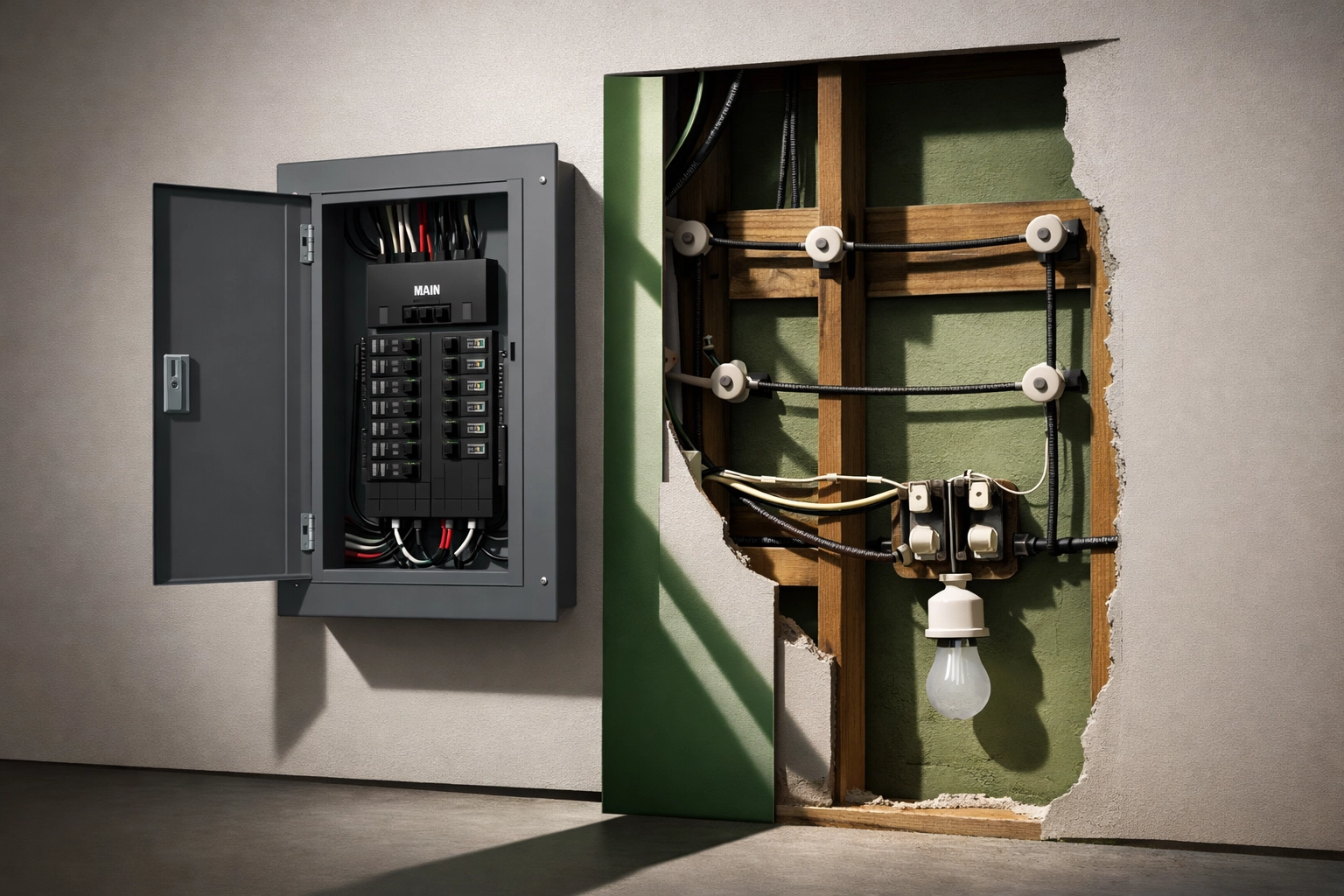
Older electrical systems. If you’re looking at homes built before the 1950s, there’s a decent chance you’ll encounter knob-and-tube wiring or outdated electrical panels. Insurance companies hate knob-and-tube, and some won’t even cover a home until it’s replaced. That can be a $3,000–$8,000 job depending on the scope. Aluminum wiring from the ’60s and ’70s is another red flag that often requires remediation.
Foundation cracks and settling. Chicago-area homes deal with freeze-thaw cycles, clay-heavy soil, and decades of settling. Hairline cracks in a poured concrete foundation? Pretty normal. Horizontal cracks, stair-step cracks in block foundations, or evidence of water intrusion? That’s where you need a structural engineer to weigh in.
Aging HVAC systems. Furnaces and AC units have a lifespan of about 15–20 years. If the system is 18 years old and still running, great: but know that you’re on borrowed time. Budget for replacement sooner rather than later, because a dead furnace in January is not the vibe.
Roof wear. Asphalt shingle roofs last 20–25 years in Illinois. If the home you’re buying has an older roof, the inspector will note the condition and remaining lifespan. A roof replacement can run $8,000–$15,000+ depending on size and pitch, so this is worth factoring in.
None of these issues are automatic deal-breakers. They’re just… facts. And facts give you leverage.
Strategy #1: Ask for a Closing Credit
This is probably the most common route, especially in competitive markets where sellers don’t want to delay closing or manage contractors.
How it works: You ask the seller to credit you a specific dollar amount at closing to cover the cost of repairs. That money reduces the cash you need to bring to the table, and you handle the work yourself after you move in.
The pros: You get to choose your own contractors. You control the timeline. You’re not stuck with whatever bargain-basement electrician the seller’s uncle knows. Plus, closing credits can sometimes help offset other closing costs if you play it strategically with your lender.
The cons: You still have to deal with the repair after you move in. That means living in a house with a sketchy outlet situation, or dealing with a radon mitigation crew in your first month of homeownership. You also need to make sure you’re budgeting realistically: if the furnace dies two months after closing and you already spent the credit on other things, that’s on you.
Best for: Buyers who are handy, who have reliable contractor connections, or who want full control over the quality of the work.
Strategy #2: Ask the Seller to Fix It Before Closing
This is the “can you just handle this so I don’t have to think about it?” approach.

How it works: You request that the seller complete specific repairs before closing. The seller hires their own contractors, coordinates the work, and (ideally) provides receipts and proof of completion at the closing table.
The pros: It’s done when you move in. You don’t have to coordinate anything. If you’re relocating from out of state or juggling a tight schedule, this can be a huge relief. No sawdust. No invoices. Just keys and a fixed problem.
The cons: The seller is motivated to spend as little as possible. They’re not going to call the top-rated HVAC company in Niles and pay premium prices for a system they’ll never use. You might end up with a repair that technically “works” but isn’t the quality you’d have chosen yourself. Also, if the seller drags their feet or the work isn’t done correctly, it can delay your closing.
Best for: Buyers who want simplicity over control, or situations where the repair is small and straightforward (like replacing a broken window or fixing a leaky faucet).
Strategy #3: Take It As-Is (and Adjust the Price or Walk)
Sometimes the best move is to acknowledge the issues, negotiate a lower purchase price, and embrace the project.
How it works: Instead of asking for specific repairs or credits, you and the seller agree to reduce the purchase price to account for the known issues. Or, if the issues are too extensive or expensive, you exercise your inspection contingency and walk away.
The pros: A lower purchase price means lower property taxes, a smaller mortgage, and potentially more equity if you handle the repairs wisely. It also speeds up the closing process since there’s no back-and-forth over contractor bids or repair timelines.
The cons: You’re taking on the full burden: financially and logistically: of fixing whatever’s wrong. If you underestimate costs or hit surprise complications during the repair, that’s your problem.
Best for: Buyers with renovation experience, access to capital, or a high tolerance for projects. Also ideal when the seller is firm on not offering credits or repairs, and you still love the house enough to make it work.
When to Walk vs. When to Roll With It
Here’s the real question: how do you know when an inspection report is a yellow flag versus a red flag?
Walk away if:
- There’s significant structural damage that would cost more to repair than the home is worth.
- The foundation issues require underpinning or major engineering work (we’re talking $20,000+).
- The property has active mold, pest infestations, or environmental hazards that weren’t disclosed.
- Your gut says this is more project than you signed up for, and you’re already stressed just reading the report.
Roll with it if:
- The issues are typical for the age and location of the home.
- The repairs are cosmetic or routine maintenance items (old water heater, worn roof, outdated flooring).
- The home still fits your budget after accounting for repair costs.
- You genuinely love the location, layout, or potential of the property.
A good inspector will walk you through the report, categorize issues by urgency, and help you understand what’s “fix now” versus “monitor over time.” Use that conversation to build your strategy.
The Truth About “Perfect” Homes
They don’t exist.
Even new construction has builder-grade shortcuts. Even recently renovated homes have something: a patch job in the drywall, a slightly sloped floor, an HVAC duct that’s not quite up to code.
The home inspection isn’t a pass/fail test. It’s a negotiation tool. It’s a reality check. It’s a way to make sure you’re not walking into a money pit without a plan.
So when that report lands and you see pages of red-flagged items, don’t spiral. Call your agent. Review the findings. Decide what matters to you: not to the inspector, not to your friend who bought a house last year, but to you and your budget and your bandwidth.
Then pick your strategy, make your ask, and move forward with confidence.
Looking for an agent who won’t sugarcoat the inspection process but also won’t let you panic over normal stuff? Let’s talk through your next move: whether that’s negotiating repairs, walking away, or rolling up your sleeves and making it work.

Christian Cruz
Real Estate Agent | Cruz Dwellings
Serving Chicago’s North Suburbs & Cook County
cruzdwellings.com
